Mastering Tire & Wheel Maintenance in Thornhill, ON

MR Automotive • October 28, 2025

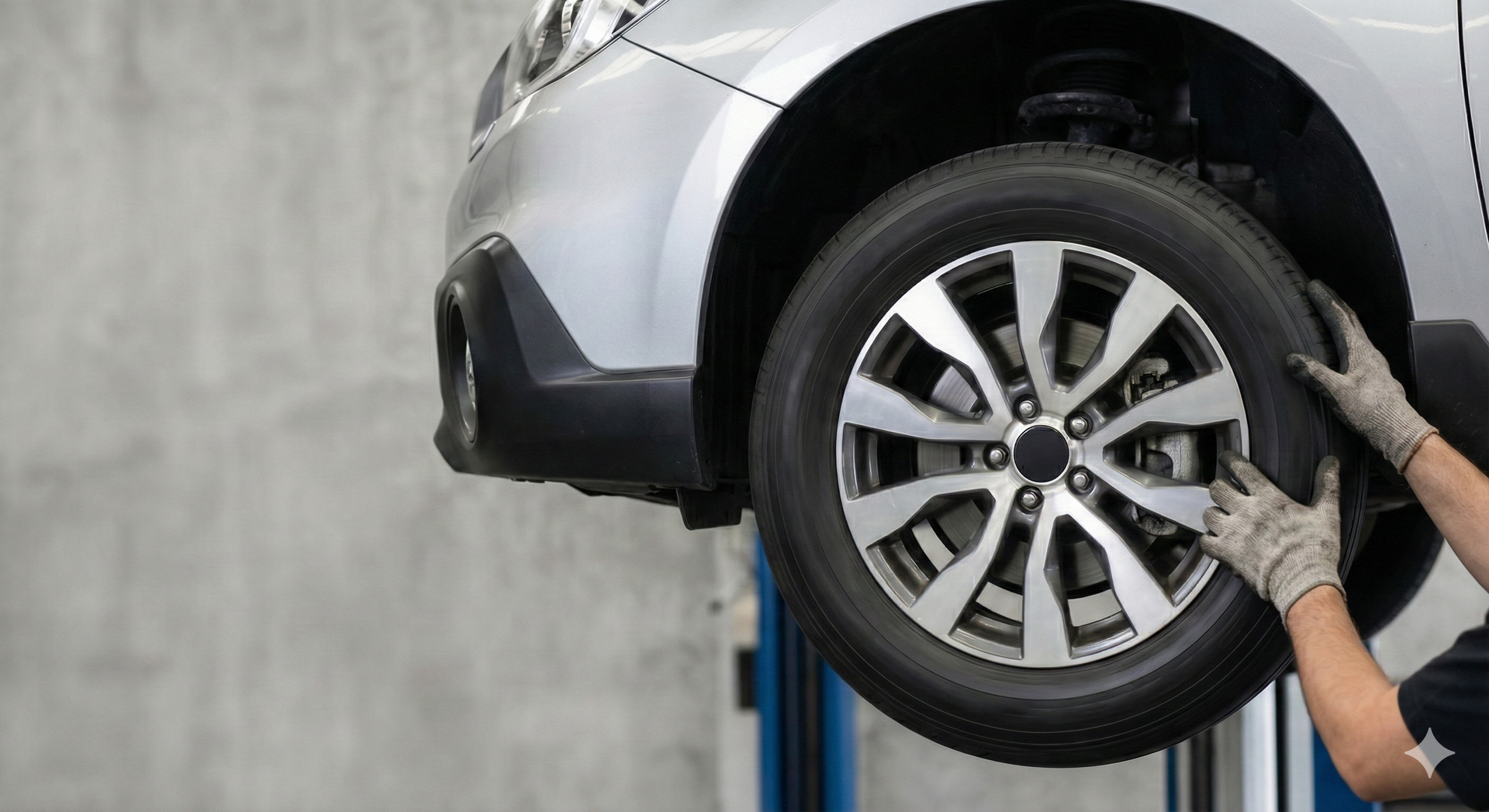
At MR Automotive in Thornhill, ON, we understand that maintaining the health of your vehicle's tires and wheels is crucial for both safety and performance. Whether you're a seasoned driver or just starting, our team is here to provide essential tips and advice to ensure that your tires are in top-notch condition.

Understanding Tire Basics

When it comes to vehicle safety, tires play a critical role. Not only do they support your vehicle’s weight, but they also ensure grip and traction, affecting steering accuracy and braking performance. Let’s delve into key tire components that every driver should be familiar with:

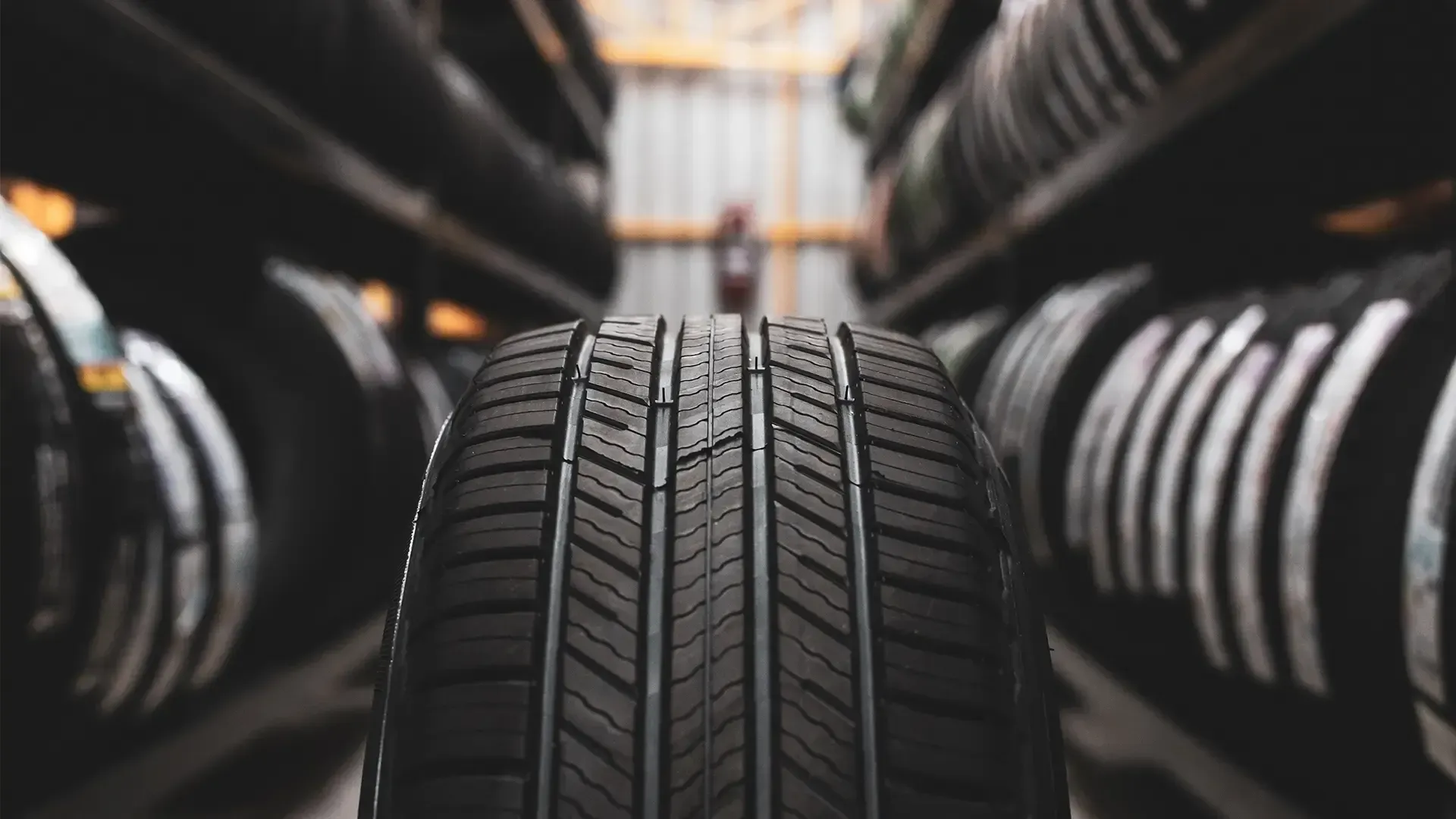
  • Tread: The part of the tire that makes contact with the road. Proper tread depth is necessary for optimal grip, especially in adverse weather conditions.
  • Sidewall: Provides structural integrity. It's vital to inspect for any cuts or damage since they could lead to blowouts.
  • Tire Pressure: Maintaining the recommended tire pressure is essential for fuel efficiency and preventing uneven wear.

Signs It's Time to Replace Your Tires

Here at MR Automotive Thornhill, we recommend regularly inspecting your tires for these common signs of wear and tear:

  • Low Tread Depth: Consider replacing tires when the tread wear indicator bars are visible or if the tread depth falls below 2/32 of an inch.
  • Uneven Wear: This could indicate poor alignment, which affects handling and safety.
  • Vibration: If you notice your vehicle vibrating, it could be due to tire imbalance or structural issues within the tire itself.

Why Wheel Alignment Matters

Proper wheel alignment is key to the longevity of your tires. Misalignment can cause your tires to wear unevenly, impact fuel efficiency, and cause your vehicle to pull to one side. Routine checks at MR Automotive can help catch early warning signs of misalignment.

Maximizing Tire Lifespan

To get the most out of your tires, adopt these smart habits:

  • Regular Rotations: Every 6,000 to 8,000 miles. This helps promote even tread wear.
  • Maintain Correct Pressure: Investing in a good pressure gauge can ensure your tires are always at the optimal PSI.
  • Store Properly: If you swap between summer and winter tires, keep them in a cool, dry space and away from direct sunlight.

The Impact of Seasonal Changes on Your Tires

In Thornhill, ON, seasonal changes can be harsh on your tires. Transitioning between winter and summer necessitates not just a change in tire type but a whole set of adjustments to your driving style and maintenance practices. Our team at MR Automotive is here to guide you through these transitions efficiently.

Choose MR Automotive for Your Tire and Wheel Needs

If you're unsure about the state of your tires or need professional advice, MR Automotive in Thornhill, ON welcomes you to consult with our experts. Our comprehensive tire and wheel services are designed to keep your vehicle safe and efficient.

We believe in empowering our customers with knowledge, so they can make informed choices about their automotive care. Don’t hesitate to reach out if you have any questions or need to schedule a maintenance appointment. We’re here to help you stay safe on the road.


By MR Automotive September 13, 2026
Discover expert tire services at MR Automotive, Thornhill, ON. From maintenance tips to trends, we ensure smooth rides. Schedule an online appointment now!
front end of a vehicle | MR Automotive
By Bobby Grammatis September 10, 2026
Worn spark plugs hurt fuel economy and engine performance. Learn the warning signs and when to replace them. MR Automotive serves Thornhill and surrounding areas.
vehicles in traffic
By Bobby Grammatis September 3, 2026
Brake fluid absorbs moisture and loses effectiveness over time. Learn when to flush it and why it matters for your safety. MR Automotive in Thornhill, ON.
vehicles driving down highway | MR Automotive
By Bobby Grammatis August 27, 2026
A solid check engine light and a flashing one are two very different situations. Learn when it is safe to keep driving and when to pull over right away.
By Bobby Grammatis August 20, 2026
TLDR A car engine diagnostic uses OEM-level scanning equipment to read fault codes stored in your vehicle's onboard computer The scan is a starting point and a professional technician interprets the codes alongside physical inspection to find the root cause At MR Automotive you receive a clear explanation of what we found and what your vehicle needs before any repair work begins When a check engine light comes on or an engine performance issue develops, many Thornhill drivers wonder what a car engine diagnostic actually involves. Is it just a code reader plugged into a port? Does it tell you exactly what is wrong? And why does a professional shop diagnostic produce better results than a free scan at a parts store? In our 13 years serving drivers in Thornhill, Markham, Vaughan, and Richmond Hill, we have answered these questions many times. Here is an honest walkthrough of what a professional engine diagnostic involves and what you can expect when you bring your vehicle to us. What a Diagnostic Scan Actually Does Your vehicle has an onboard diagnostic computer, called the OBD-II system, that continuously monitors sensors throughout the engine, transmission, and emissions components. When a sensor reading falls outside its programmed parameters, the system logs a diagnostic trouble code and, in most cases, illuminates the check engine light. A diagnostic scan connects to your vehicle's OBD-II port, retrieves those stored codes, and presents them to the technician. The codes themselves are a starting point, not a complete diagnosis. A code like P0171, which indicates a lean running condition, can have several different root causes: a vacuum leak, a dirty mass airflow sensor, a weak fuel pump, or a faulty fuel injector. Identifying which one requires additional investigation beyond the code alone. OEM Diagnostic Equipment vs. Generic Scanners Not all diagnostic tools read the same data. A basic OBD-II reader, such as those available at parts stores or for personal use, retrieves only the standardized codes that all vehicles are required to report. That is useful but limited. Modern vehicles contain 30 to 100 or more individual electronic control units, and most consumer-grade scanners can only communicate with the engine control module, leaving the rest of the vehicle's systems unread. OEM-level diagnostic equipment, which is what we use at MR Automotive in Thornhill, communicates with your vehicle the same way the manufacturer's factory tools do. This means we can access manufacturer-specific codes that do not appear on generic scanners, read live sensor data in real time, perform bidirectional tests where the scanner commands a component to activate, and view freeze frame data that records exactly what the engine was doing when the fault was triggered. This level of detail is what separates a professional diagnostic from a parts-store scan and why our diagnoses tend to be more accurate and targeted. What Happens During Your Appointment? When you bring your vehicle to our Thornhill shop for a diagnostic, here is what to expect. Step 1 - Vehicle History and Initial Discussion When a customer arrives, the conversation we have before touching the vehicle often shapes what we look for during the scan. Knowing when the light came on, whether the car has been driving differently, what sounds or smells the driver has noticed, and when it was last serviced helps our technicians build a picture before we have even pulled the first code. The service history, combined with the fault codes and live sensor data, allows us to diagnose with context rather than in isolation. Step 2 - OBD-II Scan We connect our OEM diagnostic equipment to your vehicle and retrieve all stored fault codes, pending codes, and freeze frame data. Pending codes are faults the system has detected but has not yet confirmed across multiple drive cycles and can be just as valuable as stored codes. Step 3 - Live Data Review and Physical Inspection With the codes in hand, our technicians review live sensor data and inspect the relevant systems physically. This is where the actual diagnosis happens. We confirm what caused the code to set, not just report it. Step 4 - Clear Explanation and Repair Plan Before any work begins, we explain what we found in plain language, what we recommend, and what the estimated cost will be. There are no surprises. FAQs Why does a professional engine diagnostic cost more than a free OBD scan at a parts store? A free parts-store scan reads only the generic codes that all vehicles are required to report. A professional diagnostic at our Thornhill shop uses OEM-level equipment that accesses manufacturer-specific codes, reads live sensor data across multiple systems, and allows our technicians to perform active component testing. The additional time and equipment investment is what allows us to identify the actual cause of the fault rather than just the code it set. Can a diagnostic scan find every problem with my car? A scan retrieves the codes your vehicle's computer has logged for faults in monitored systems. It does not replace a comprehensive vehicle inspection. Some mechanical issues, such as worn brake pads or a leaking shock absorber, do not generate fault codes. For a full picture of your vehicle's condition, a vehicle safety inspection is more appropriate. Book Your Engine Diagnostic in Thornhill If your check engine light is on or you are experiencing engine performance issues, a professional diagnostic is the right first step. Schedule your engine diagnostic at MR Automotive or call us at (905) 882-2277 . We are open Monday through Friday, 8:00 AM to 5:00 PM, with 24/7 after-hours drop-off available. Our Location MR Automotive Address: 83 Glen Cameron Rd, Thornhill, ON L3T 1N8 Phone Number: (905) 882-2277 Hours: Monday to Friday, 8:00 AM to 5:00 PM
vehicle pulling over onto the side of the road | MR Automotive
By Bobby Grammatis August 13, 2026
From oxygen sensors to EVAP leaks, here are the check engine light fault codes our Thornhill mechanics diagnose most often. Find out what yours could mean.
vehicle tire inspection
By Bobby Grammatis May 7, 2026
Confused about your tire warranty? Discover what's covered, maintenance requirements, and how to keep it valid. Learn more today!
vehicle tire | MR Automotive
By Bobby Grammatis April 3, 2026
Should you pay extra for nitrogen in your tires? MR Automotive breaks down the science and helps you decide if it is worth the cost for your vehicle.
vehicle on road | MR Automotive
By Bobby Grammatis March 27, 2026
Many new vehicles lack a spare tire to save weight. MR Automotive explains why this trend could leave you stranded and how to prepare for a flat.
By Bobby Grammatis March 20, 2026
Don't rely on the penny test alone. Learn why tire age matters more than tread and how MR Automotive identifies dangerous "zombie tires" to keep you safe.
More Posts