A Season-by-Season Car Maintenance Schedule Built for Ontario's Climate
TLDR
- Ontario's extreme seasonal shifts make a year-round maintenance schedule more important than in milder climates.
- Staying ahead of fluid checks, tire swaps, and brake inspections prevents costly breakdowns.
- A consistent schedule protects your investment and keeps your vehicle reliable through every season.
Ontario is not a forgiving climate for vehicles. According to the
RCMP, nearly 30 per cent of collisions reported to Canada's National Collision Database happen on wet, snowy or icy roads, and one third of all reported collisions occur during the four winter months. Thornhill drivers deal with road salt corrosion in winter, pothole damage in spring, heat stress in summer, and rapidly dropping temperatures every fall. Each season brings its own set of demands, and a maintenance schedule that accounts for all of them is one of the best things you can do for your vehicle's long-term health.
At MR Automotive, we have been helping Thornhill residents and drivers from Richmond Hill, Markham, Vaughan, and North York keep their vehicles in top shape since 2013. What follows is a practical season-by-season guide built around the realities of driving in Ontario.
Spring (March to May)
Winter is the hardest season on your vehicle, and spring is when the damage shows up. After months of salt exposure, freezing temperatures, and rough roads, a post-winter inspection should be your first priority.
Tire Swap and Inspection
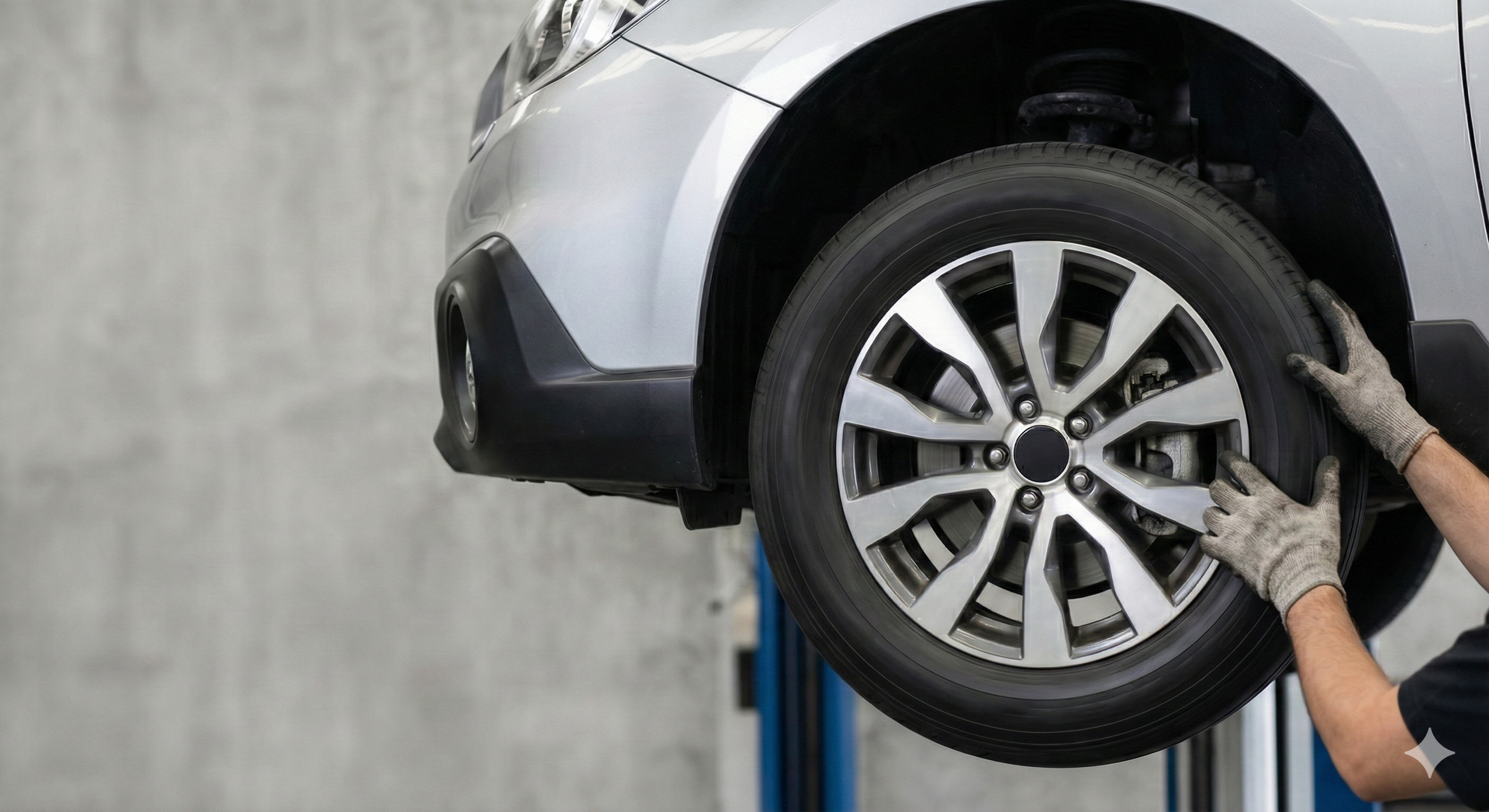
If you ran winter tires through the cold months, spring is the time to switch back to all-season or summer tires. While your tires are off, have your technician inspect your brakes and suspension components for any corrosion or wear that developed over the winter.
Undercarriage Inspection
Road salt causes rust from the underside up, and we see this consistently in vehicles that arrive at our shop after a long Ontario winter. Components that look fine from the outside can show significant corrosion underneath, particularly along brake lines and the exhaust system. Catching this early through a post-winter undercarriage inspection is far less costly than discovering it after a line has already failed.
Wiper Blades and Alignment
Winter wipers are thicker and designed for ice. Once temperatures climb, switch back to standard blades for better visibility in spring rain. Potholes are a Thornhill spring tradition as well, and a single significant impact can knock your alignment off enough to cause uneven tire wear. If your car pulls to one side or your steering wheel is off-center, get it checked.
Summer (June to August)
Summer heat puts different pressures on your vehicle. Cooling system performance and tire condition become more critical.
Coolant and Cooling System
Engine coolant prevents both freezing and overheating. Have your coolant level and condition checked before temperatures climb into the high 30s. Transport Canada recommends having a licensed technician perform a seasonal inspection to ensure cooling system components are in good working order before severe weather arrives. An overheating engine on a highway is a situation you want to avoid.
Air Conditioning
AC systems can lose refrigerant over time. If your cabin is not cooling effectively, have the system inspected before peak heat arrives. This is also a good time to replace your cabin air filter if it has not been done recently.
Tire Pressure and Battery
Heat causes air to expand, which can push tire pressure above the recommended level. Check and adjust pressure regularly through the summer months. Summer heat is also harder on aging batteries than many drivers realize, so a battery test before the heat peaks is a smart move.
Fall (September to November)
Fall is your preparation window before the season that will test your vehicle most. Do not wait until the first snowfall.
Winter Tire Installation
Most insurance companies recognize the value of winter tires and many offer discounts for equipping them. More importantly, winter tires significantly improve braking and handling below 7 degrees Celsius. CAA recommends installing winter tires before mid-November, and we give every Thornhill driver the same advice when they bring their vehicle in for fall service. The performance difference on an icy road is not subtle.
Battery and Brakes
Cold kills weakened batteries. If your battery tested below spec in summer or your vehicle is slow to start on cool fall mornings, replace it before temperatures drop significantly. A brake inspection before winter is equally important, since winter driving demands a great deal from your braking system.
Fluid Top-Offs
Check antifreeze concentration, brake fluid, windshield washer fluid, and engine oil before winter sets in. Use a washer fluid rated for at least minus 40 to handle Thornhill's coldest nights.
Winter (December to February)
Winter maintenance is more about monitoring than major service, since the preparation work happens in fall.
Frequent Visual Checks
Salt and debris accumulate fast in an Ontario winter. Keep an eye on your tires, check your wiper function, and watch for any warning lights on your dash. If a light appears, do not dismiss it as a sensor glitch until you have had it checked.
Cold Start Monitoring
If your engine is slow to start or sounds rough on cold mornings, do not wait. This can be an early sign of battery, fuel system, or ignition issues that are much easier to address before they leave you stranded.
Keeping It All on Track
A maintenance schedule only works if you follow through on it. One of the easiest ways to stay current is to address service items when you bring your vehicle in for an oil change. Our team notes upcoming maintenance milestones and will flag anything that is due soon.
Across more than a decade of serving Thornhill drivers, we have seen firsthand what deferred maintenance costs compared to what a timely service costs. Vehicles that come in for regular seasonal checks stay on the road longer and generate far fewer emergency repair bills. That pattern holds true across virtually every make and model we service, from compact commuters to heavy-duty trucks.
We also offer a vehicle safety inspection that covers many of the checks above in one appointment. It is a good starting point if you are not sure where your vehicle currently stands.
FAQs
How do I keep track of what maintenance is due and when?
The simplest method is to record the date and odometer reading every time you have any service done. Your owner's manual lists the recommended intervals for each item. CAA also provides seasonal maintenance guidance that can help you build a practical checklist. We keep records for every vehicle we service, so we can tell you what was done and what is coming due at your next visit.
Is a full vehicle inspection worth getting every year even when your car seems fine?
Yes. Many wear items degrade gradually and do not produce obvious symptoms until they become a significant problem. An annual inspection catches issues like brake wear, corrosion, and fluid degradation before they become failures. It costs far less than a roadside breakdown or a major repair.
Which seasonal maintenance item do drivers most commonly skip?
In our experience, coolant service and brake fluid changes are the most frequently overlooked. Most drivers know about oil changes and tires but underestimate how often other fluids need attention. Both coolant and brake fluid degrade over time and can cause serious problems if ignored for too long.
Whether you are due for a spring inspection or getting your vehicle ready for a Thornhill winter, MR Automotive is here to help. Book your next service appointment and we will make sure your maintenance schedule is on track for the season ahead.
Our Location
MR Automotive
Address:
83 Glen Cameron Rd, Thornhill, ON L3T 1N8
Phone Number:
(905) 882-2277
Hours: Monday–Friday, 8:00 AM – 5:00 PM