How Tire Rotations Keep Money in Your Pocket
Car maintenance can feel like a never-ending list and sometimes tire rotation can slip through the cracks. However, it's one of those small things that make a big difference.
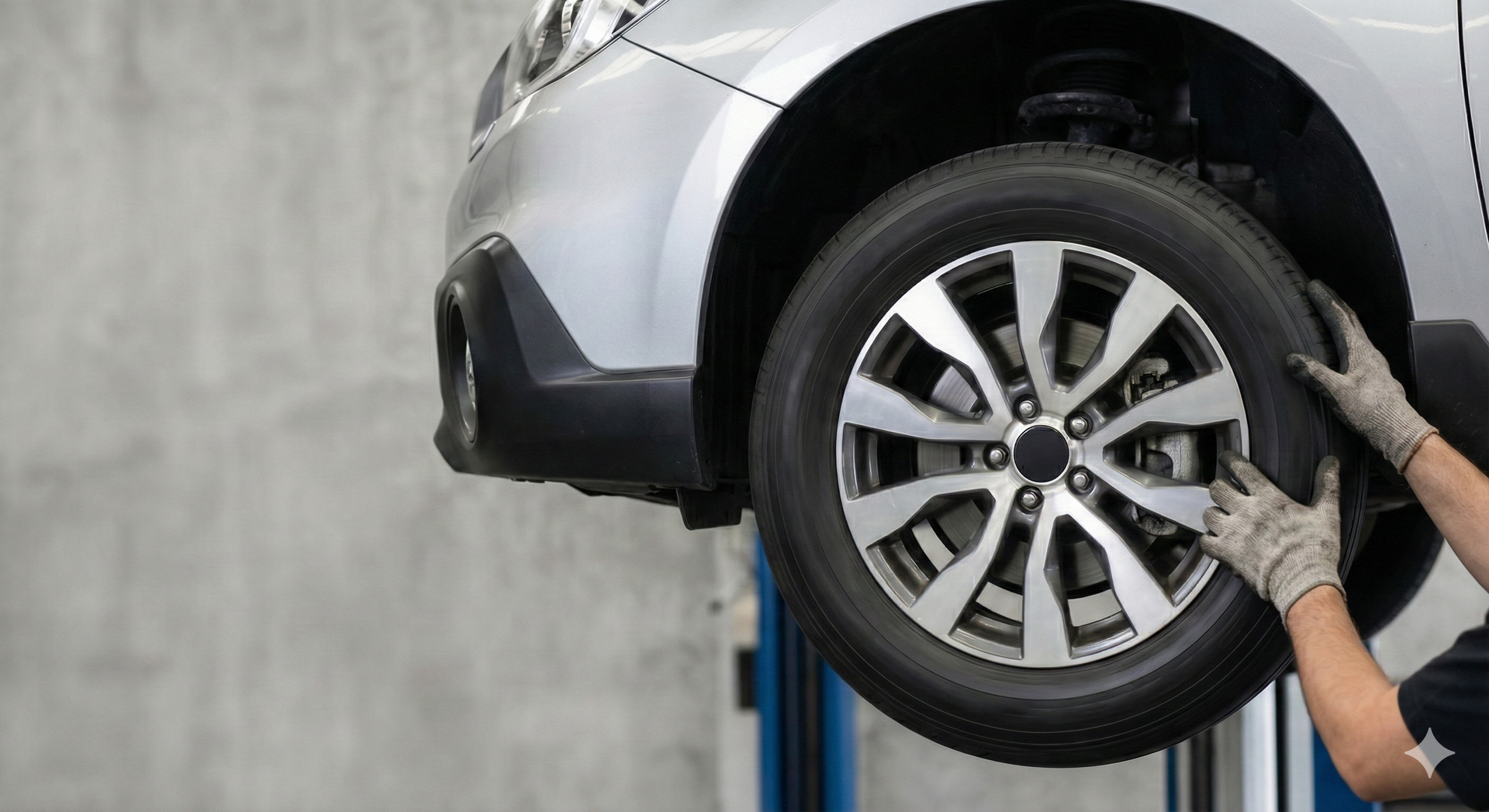
Rotating your tires helps them wear evenly, which means they last longer and keep you safer. When you leave tires in the same spot too long, each one gets different stress, and weird wear patterns start to show up.
Most folks should rotate their tires every 8,000 to 13,000 kilometers. This means better handling, saving on gas, and avoiding early replacements. You can check your car’s manual for the recommended mileage between rotations.
The Importance of Tire Rotation
Regular rotations keep your tires performing at their best and save you money over time. Consider the following benefits of rotating your tires.
Even Tire WEar is Your Best Friend
Tires wear out differently depending on where they sit on your car. The front ones usually take more of a beating on the outside edges from all the turning. When you rotate them, you spread out the wear so no single tire gets all the stress.
Front-wheel drive cars chew up their front tires faster, while rear-wheel drive vehicles wear out the backs first. All-wheel drives have their own quirks. Regular rotation (every 8,000 to 13,000 kilometers) keeps things balanced and helps you avoid replacing tires two at a time.
Extend Tire Lifespan
Regularly rotating your tires can extend their lifespan to 65,000 to 96,000 kilometers or more. Skip it, and you might get stuck buying new ones at 30,000. That’s a lot of money down the drain for something so simple.
Watch for signs like uneven wear, your car pulling to one side, or weird vibrations. Those are all red flags that your tires are begging for a rotation.
Enhancing safety & Handling
Evenly worn tires grip the road better, especially when it’s wet or icy. If your tires are uneven, braking and handling get unpredictable. That’s not a risk worth taking.
We’ve seen plenty of close calls that could’ve been avoided with regular rotation.
How Tire Rotation Impacts Your Vehicle
Tire rotation isn’t just about the tires. It actually changes how your car feels on the road and can even save you money on gas.
Optimizing Traction and Stability
When you keep your tire wear even, your car handles better. Ever felt your car pull or wobble at high speed? Uneven tires could be the culprit.
We’ve had customers come in after sliding around in the rain with their front tires worn more than the back tires. It’s scary. Rotating keeps your grip consistent, so you’re less likely to hydroplane or skid. That’s peace of mind you can’t put a price on.
Improving Fuel Efficiency
Believe it or not, rotating your tires can help you use less gas. Uneven tires make your engine work harder, which means more trips to the pump.
We’ve seen cars gain a 3-5% boost in fuel economy after fixing uneven wear. Less rolling resistance, less engine strain, and fewer fill-ups are all a part of keeping more money in your pocket.
Preventing Costly Repairs
Skipping tire rotations can wreck other parts of your car too. Suspension and steering components take a beating when tires wear unevenly.
Reducing Suspension and Alignment Issues
Uneven tires force your suspension to work overtime, which can lead to expensive repairs. We’ve seen folks spend over a grand fixing suspension issues that regular rotations could’ve prevented.
Rotating your tires helps keep your steering smooth and your alignment intact. It also saves your shocks from wearing out too soon.
Minimizing Tire Replacement Costs
If you don’t rotate, you’ll replace your front tires way more often, sometimes 30% faster. Tires aren’t cheap, and replacing them all at once is easier and more cost-effective than doing it in pairs.
Rotations usually cost $20-$50, which is nothing compared to what you’d spend on new tires or suspension repairs. It’s honestly one of the best deals in car maintenance.
Recommended Tire Rotation Patterns
Not all cars need the same rotation pattern. The right one depends on your drivetrain—front-wheel, rear-wheel, or all-wheel drive. Getting this right really does matter for even wear.
Front-Wheel Drive Patterns
For front-wheel drives, the forward cross pattern is the way to go. The front tires move straight back, and the rears cross to the front. This helps because the front tires do most of the heavy lifting.
- Front left → Rear left
- Front right → Rear right
- Rear left → Front right
- Rear right → Front left
If your tires are different sizes or directional, we might just swap sides instead.
Rear-Wheel Drive Patterns
Rear-wheel drives use the rearward cross or X-pattern. Rear tires move up and cross, while the fronts slide straight back.
- Rear tires → Opposite front sides
- Front tires → Straight back
Trucks or performance cars with bigger rear tires? We usually rotate side-to-side only, keeping the big ones in back.
All-Wheel Drive Patterns
AWD and 4WD cars do best with the X-pattern—all four tires swap corners. These systems can get weird tire wear, so keeping things even is key.
- Front left → Rear right
- Front right → Rear left
- Rear left → Front right
- Rear right → Front left
Directional tires might need to be remounted, and some SUVs have their own rules—always check the manual.
Determining the Ideal Rotation Schedule
So, how often should you rotate? It depends on your car, how you drive, and what the manual says. Most manufacturers suggest every 8,000 to 13,000 kilometers.
Manufacturer Guidelines
Always check your owner's manual first. Some cars need more frequent rotations, especially front-wheel drives. If you drive on rough roads or haul heavy stuff, you might need to rotate more often.
Mileage and Time Intervals
For most, every 9,600 to 12,800 kilometers works. If you’re in tough conditions like potholes, short trips, or hauling you might opt for every 6,400-8,000 kilometers. Performance and commercial vehicles need even tighter schedules.
- Normal: 9,600-8,000 kilometers
- Rough conditions: 6,400-8,000 kilometers
- Performance: 8,000 kilometers
- Commercial: 4,800-8,000 kilometers
Don’t let more than six months go by without a rotation, even if you haven’t hit the mileage. Seasons change, and so does tire wear. It’s easiest to just do it when you get your oil changed.
Recognizing Signs That Tire Rotation Is Needed
Your tires will let you know when they need help if you know what to look for. Regular checks can save you headaches.
Uneven Tread Wear
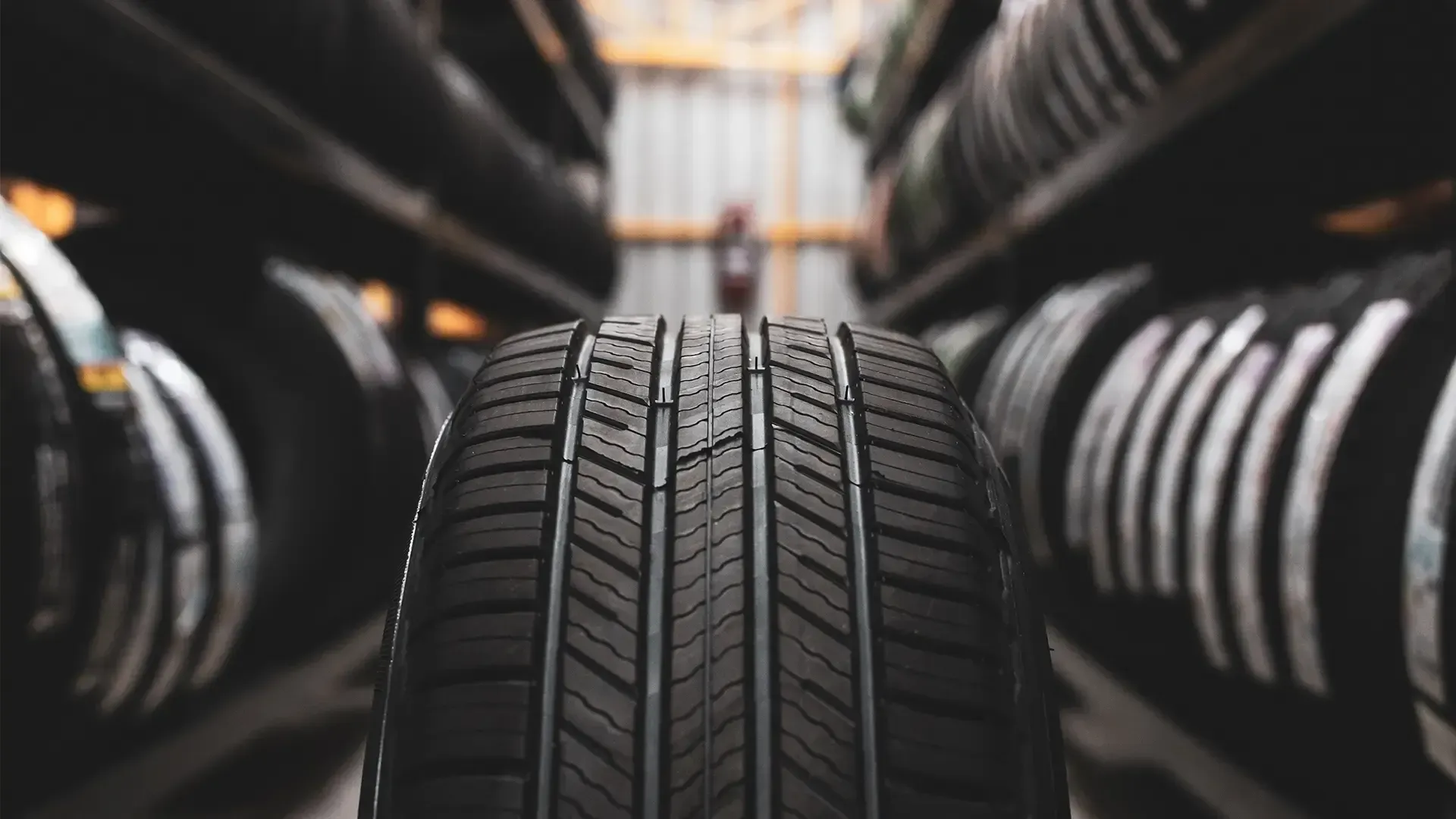
The clearest sign? Uneven tread. Front tires usually wear on the outside, rears stay more even. Run your hand across the tread. If it feels lopsided, it’s time to rotate.
Use the penny test: stick a penny in the tread, Lincoln’s head down. If you see all of his head, your tread's too low.
Vibration or Noise While Driving
Ever felt odd vibrations or heard strange noises when you're driving? Your tires might be trying to tell you it's time for a rotation.
If your steering wheel starts to buzz or your seat vibrates, uneven tire wear could be the reason. Tires with irregular tread patterns throw off the balance, and you really notice it at highway speeds.
Listen closely for new humming or buzzing that gets louder as you speed up. That sound often means the tread isn't wearing evenly across your tires.
Try checking for these symptoms on a smooth, straight road. If things quiet down after you rotate the tires, then you've probably fixed the issue with a simple maintenance step.
Common Myths About Tire Rotation
People have a lot of ideas about tire rotation. Let's clear up a few of the big ones.
Myth #1: All tires wear evenly without rotation
Nope. Front and rear tires deal with different forces. Front tires usually wear out faster because they handle more weight and do all the steering.
Myth #2: Tire rotation is just a way for shops to make money
That's not the case. Rotating your tires helps them last longer, which saves you money by putting off replacements.
Myth #3: Rotating tires ruins their performance
Actually, it's the opposite. Rotating keeps your handling and traction balanced on all four corners.
Myth #4: You only need to rotate tires on front-wheel drive vehicles
All cars benefit from rotation: rear-wheel, all-wheel, four-wheel drive, you name it. Every drivetrain wears tires differently, and rotation helps even things out.
Myth #5: Rotation schedule doesn't matter
It really does. Stick to your car's recommended interval. Wait too long, and you might get uneven wear that you can't fix later.
Myth #6: You can rotate tires yourself without special equipment
Technically, you can, but it's not the best idea unless you have the right tools. Professionals make sure everything's torqued right and catch issues you might overlook.
Consequences of Neglecting Tire Rotation
Skipping tire rotations might sound harmless, but it can cause serious headaches for your vehicle down the road. When tires wear unevenly, you're basically inviting unsafe driving conditions—nobody wants that for themselves or their passengers.
Uneven tire wear jumps out as the first big problem. Your front tires usually wear out differently than the rear ones since they each deal with their own set of stresses.
If you never rotate, some tires end up wearing out way faster. It's not just a small difference, either.
What happens when you skip rotations:
- Reduced tire lifespan (sometimes by half—seriously)
- Worse fuel efficiency
- Less reliable traction and handling
- Higher risk of blowouts
- More frequent, more expensive tire replacements
We see drivers all the time who have to buy new tires thousands of kilometers before they should. It stings to spend hundreds of dollars just because you skipped a few quick rotations.
Your car's performance takes a hit, too. You might notice it pulling to one side, or maybe you feel weird vibrations through the steering wheel.
Braking can get sketchy, and honestly, that's not something to ignore. These aren't just comfort issues, they matter for safety.
On wet or slick roads, uneven tires make your car unpredictable. One tire grabs, another slips, and suddenly you’re fighting for control right when you really need it.
We’ve watched too many preventable accidents happen because of simple tire neglect. Rotating your tires isn’t glamorous, but it’s one of those things that keeps you safer and saves you money in the long run.
Stop by our MR Automotive for all your vehicle’s tire services. We’re located at 83 Glen Cameron Rd in Thornhill.
MR Automotive
Phone:
(905) 882-2277