What Does the 5 Year or 60,000 Miles Tire Warranty Really Mean?
When you pull into MR Automotive to pick out a new set of tires, one of the first things you’ll notice is the warranty. You might see a sticker or a brochure touting a "5-Year, 60,000-Mile Limited Warranty." On the surface, it sounds like a simple guarantee that your tires will last for a long time. However, in the tire industry, warranties are a bit more nuanced than a standard bumper-to-bumper car warranty.
As your local tire experts, we want to pull back the curtain on what these numbers actually mean so you can maximize your investment and stay safe on the road.
The "Whichever Comes First" Rule
The most important thing to understand about a 5-year/60,000-mile warranty is that it operates on a "whichever comes first" basis. If you are a high-mileage driver and hit 60,000 miles in just three years, your warranty expires at that mileage mark. Conversely, if you only drive 5,000 miles a year, the warranty will expire after five years, even though you’ve only put 25,000 miles on the tires.
Treadwear vs. Workmanship: Two Different Protections
Most tire warranties are actually composed of two distinct parts:
1. The Treadwear (Mileage) Warranty
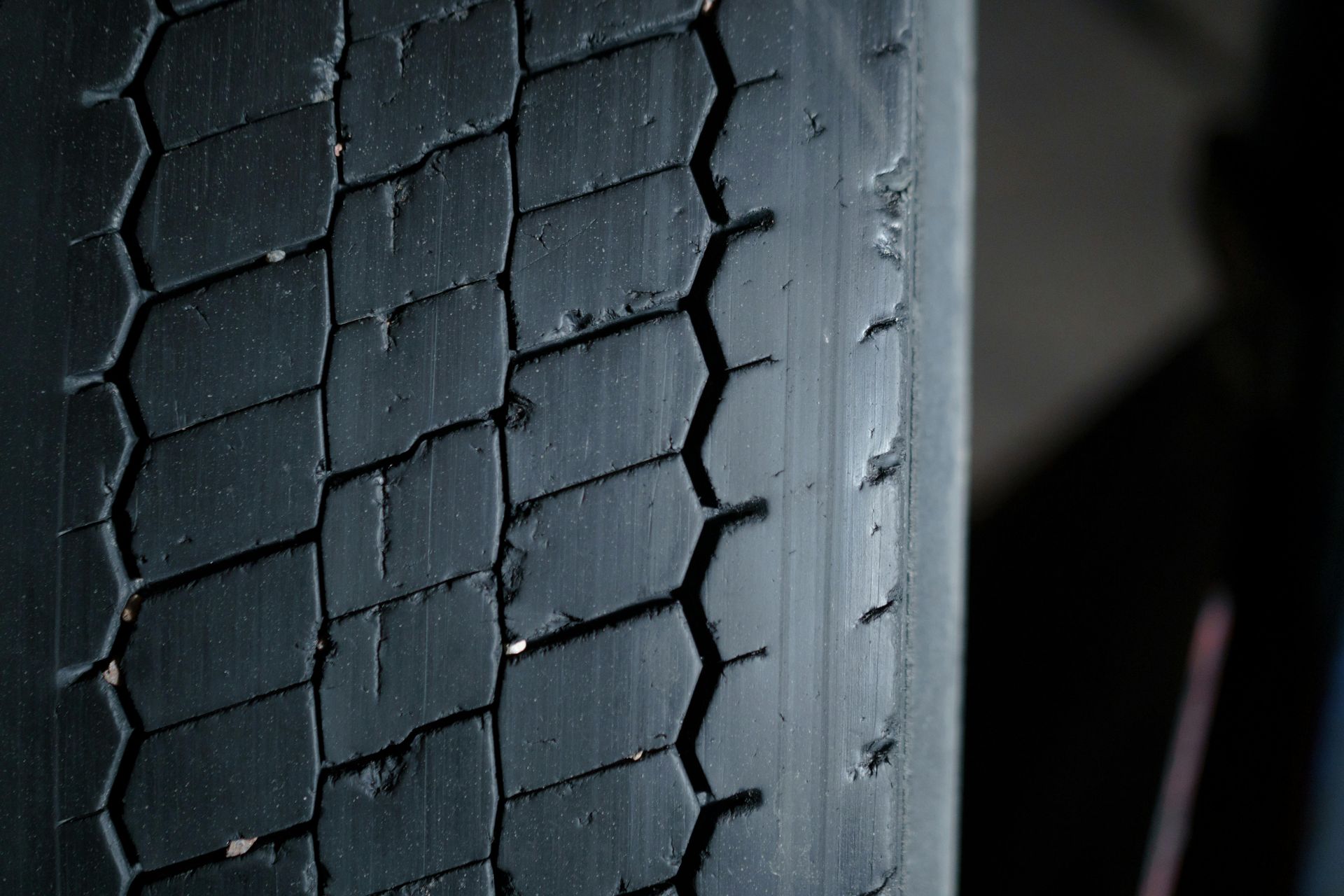
This is the "60,000-mile" portion. It is a manufacturer’s projection of how long the tire's tread should last before wearing down to 2/32 of an inch (the legal limit). If your tires wear out evenly across the tread before you hit 60,000 miles, you may be eligible for a pro-rated credit toward a new set of tires. It is important to note that you don't get a free tire; you get a discount based on the "missing" miles.
2. The Workmanship and Materials Warranty
This is typically the "5-year" portion. This protects you against manufacturing defects, such as sidewall bubbles, tread separation, or internal issues that weren't caused by an accident or poor maintenance. If the tire fails due to how it was made, the manufacturer will typically replace it.
The Maintenance Fine Print
A tire warranty is not a "set it and forget it" contract. To keep a 60,000-mile warranty valid, manufacturers require you to prove that you took care of the tires. If you come in with bald tires at 30,000 miles but haven't maintained them, the manufacturer will likely deny your claim. To keep your warranty in good standing, you must:
Keep Your Receipts: You must have documented proof of every tire rotation. Most manufacturers require rotations every 5,000 to 8,000 miles.- Maintain Proper Alignment: If your tires are wearing unevenly because your car is out of alignment, the warranty will not cover the damage.
- Check Inflation: Driving on underinflated tires causes "heat shoulder wear," which is considered user neglect rather than a manufacturer defect.
What Is Not Covered?
It is a common misconception that a mileage warranty covers road hazards. If you run over a nail, hit a deep pothole, or curb your tire and tear the sidewall, the 5-year/60,000-mile manufacturer warranty generally does not apply. Those are considered "road hazards." While some premium tires include a limited road hazard period, or you can purchase a separate road hazard plan at MR Automotive, the standard mileage warranty is strictly for wear and defects.
Why Professional Service Matters
At MR Automotive, we don't just sell you the tires; we help you protect the warranty. By handling your regular rotations, checking your alignment, and keeping your service history in our system, we provide the "paper trail" you need if you ever have to make a warranty claim.
A 60,000-mile warranty is a sign of a high-quality tire, but it is also a partnership between you, the manufacturer, and your mechanic. Keep up with your maintenance, and those tires will take care of you for years to come. If you have questions about your current tire warranty or need a rotation to keep yours valid, give us a call today!
MR Automotive
Address:
83 Glen Cameron Rd, Thornhill, ON L3T 1N8, Canada
Phone:
(905) 882-2277