Why Tread Depth is a Dangerous Way to Measure Tire Safety
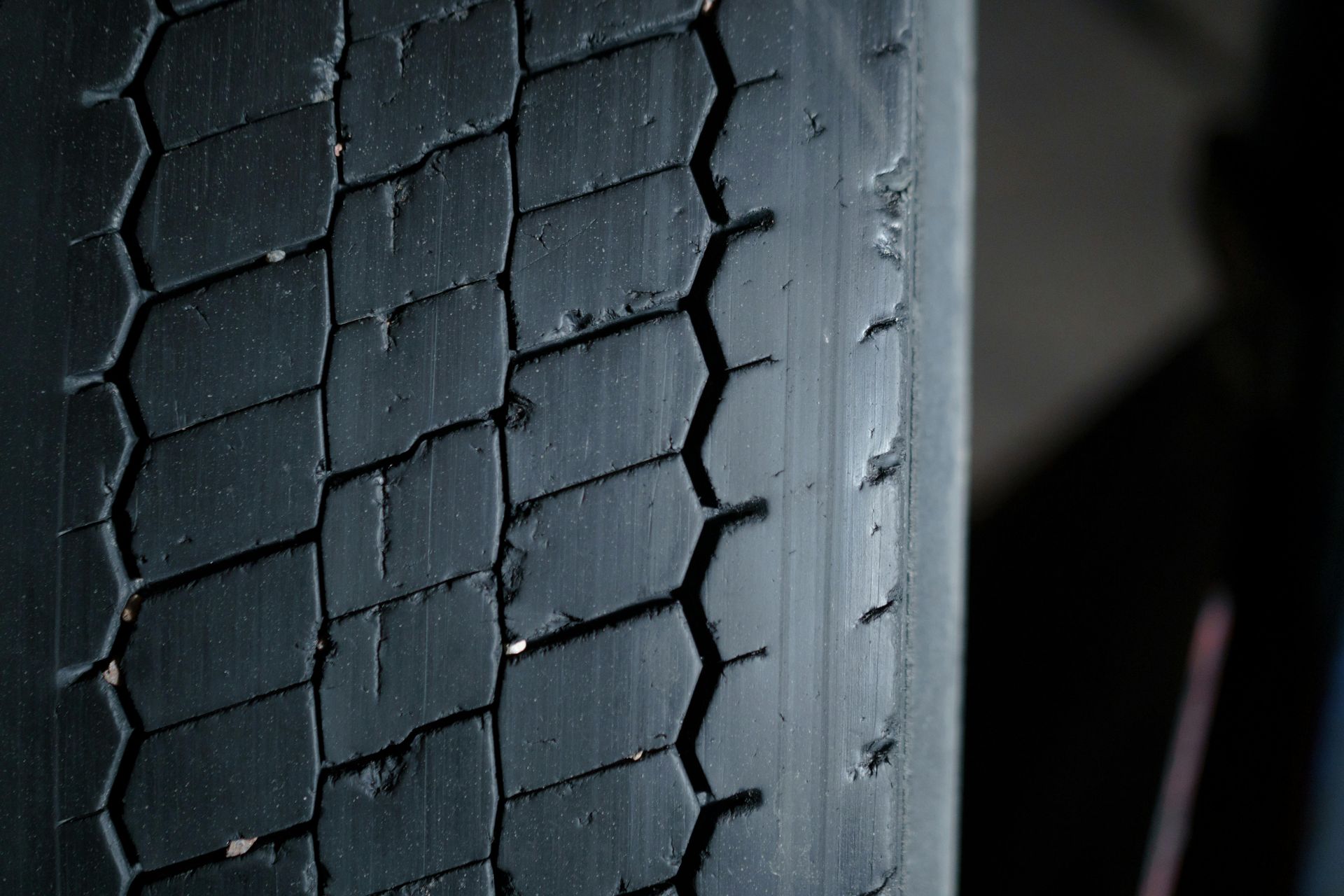
For decades, drivers have been told that as long as they have enough tread, their tires are safe. You have probably heard of the "penny test"—if you can insert a penny into the groove and see the top of Lincoln’s head, it is time for a change. While tread depth is important for moving water and preventing hydroplaning, it is only half the story.
At MR Automotive, we want you to know the truth. Relying solely on tread depth is a dangerous way to measure your safety. Even a tire that looks brand new can be a ticking time bomb if it has been sitting too long.
The Science of Rubber Oxidation
Tires are made of organic compounds that change over time. From the moment a tire is manufactured, it begins to oxidize. This means the rubber dries out and loses its elasticity. Think of an old rubber band that snaps when you pull it—that is exactly what happens to the internal structure of your tire.
Once the rubber hardens, it loses its ability to grip the road, especially in the rain or during an emergency stop. You might have plenty of tread left, but if that tread is hard and brittle, your stopping distance will increase dramatically.
Beware of Zombie Tires
A "zombie tire" is a tire that has never been driven on but has reached an unsafe age. This often happens with spare tires or tires that have been sitting in a warehouse for years before being sold as "new." Just because a tire is new to your car doesn't mean it is fresh. If the chemical bonds in the rubber have broken down, the tire can suffer a catastrophic tread separation while you are driving at highway speeds.
How to Check the Birth Date
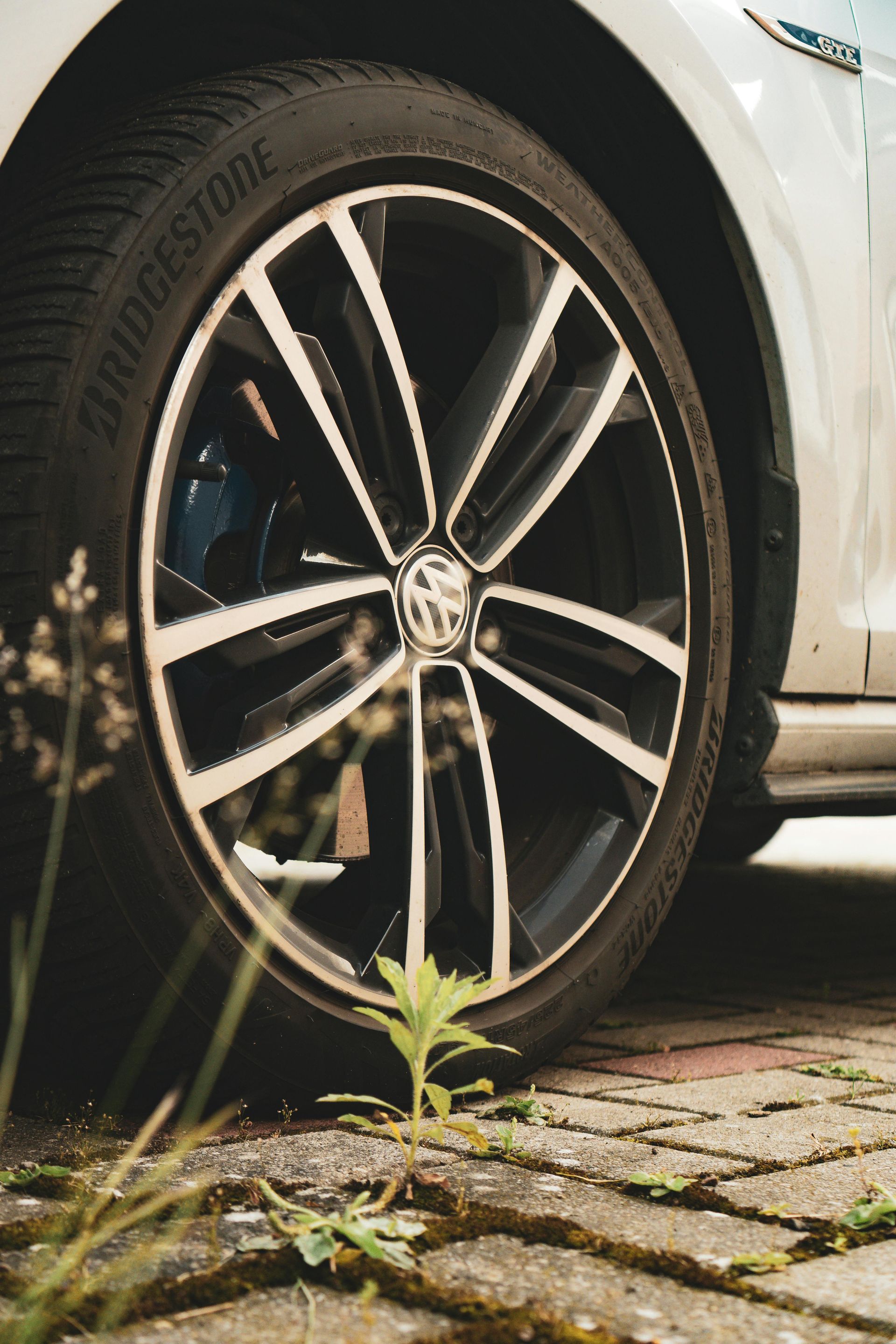
As mechanics, the first thing we look at isn't the tread—it is the DOT code on the sidewall. You can do this at home, too. Look for a series of letters and numbers starting with "DOT." The last four digits tell you exactly when the tire was made.
For example, if the code ends in "1221," it means the tire was manufactured in the 12th week of 2021. If those last four digits indicate your tires are more than six years old, it is time to have them professionally inspected, regardless of how much tread is left.
Signs of Aging to Look For
Outside of the date code, keep an eye out for these "red flags" that indicate your rubber is failing:
Sidewall Cracking: Small spiderweb-like cracks on the side of the tire (often called dry rot).
Discoloration: A dull, greyish tint rather than a deep black.
Vibration: An unusual vibration while driving that doesn't go away with a standard wheel balance.
At MR Automotive, your safety is our priority. We don't want you driving on aged tires that could fail when you need them most. If you aren't sure how old your tires are or if they are still safe for the road, bring your vehicle by the shop. We will perform a full safety inspection and help you understand exactly what condition your rubber is in.
Don't let a "good-looking" tire fool you. Age matters just as much as mileage.
Address: 83 Glen Cameron Rd, Thornhill, ON L3T 1N8
Phone Number: (905) 882-2277
Hours: Monday-Friday: 8 AM - 5 PM